The Future of Influencer Marketing 2026
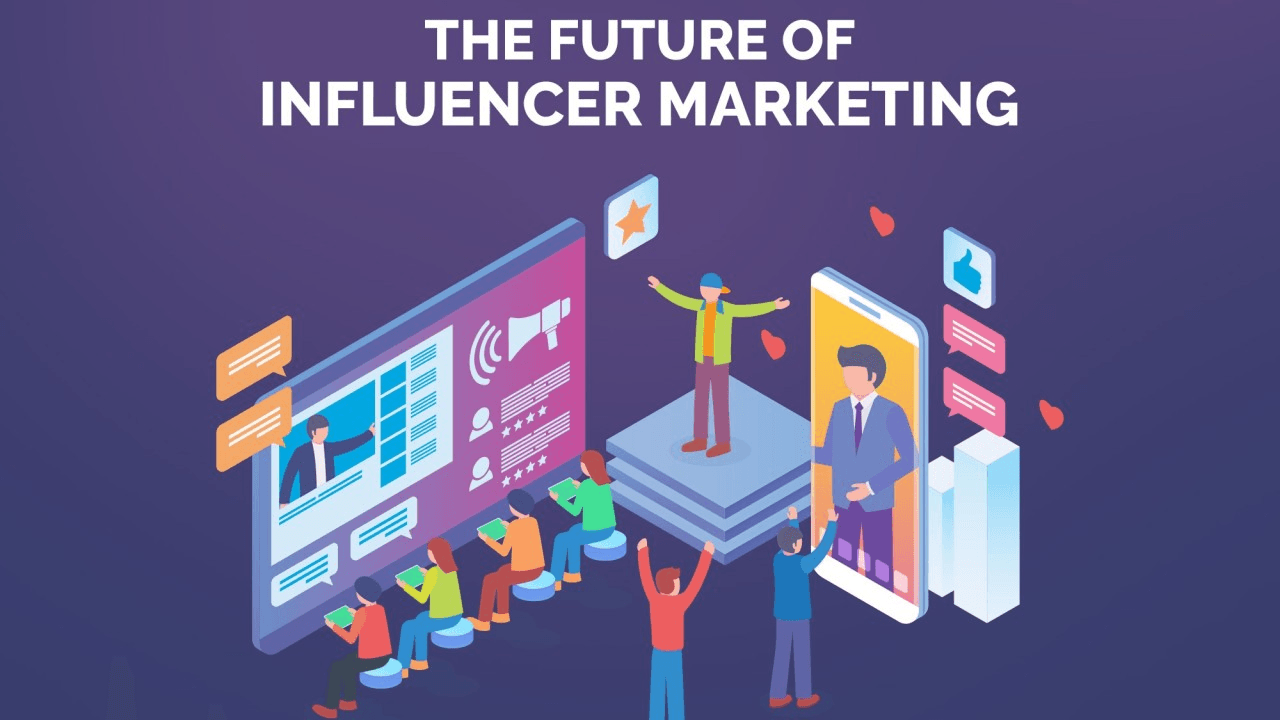
Influencer Marketing has become one of the most defining tools in modern brand communication. What started as casual product mentions by creators has transformed into a global industry driving consumer trust and purchase decisions. As we step into 2026, the landscape continues to evolve - guided by authenticity, creativity, and innovation.
Here’s what the next phase of influencer marketing looks like.
1. The Shift Toward Micro and Nano Influencers
Gone are the days when only large-scale influencers shaped buying trends. The future belongs to Micro and Nano Influencers - creators who might have smaller audiences but enjoy stronger connections with them.
Their communities feel genuine and engaged. Instead of broadcasting to millions, they speak directly to thousands who actually care, listen, and act.
- Micro-influencers (10,000–100,000 followers) bring niche expertise.
- Nano influencers (under 10,000 followers) bring hyper-local trust.
For brands, this means authentic conversations instead of one-way promotions. The result? Higher engagement, better conversions, and campaigns that feel human.
2. The Power of Video Storytelling
Visual storytelling continues to dominate digital spaces. Video remains the most engaging format, especially for audiences who prefer experiences over advertisements.
From YouTubers creating mini-documentaries to Instagram Reels showcasing quick reviews, video content will remain central to how people connect with brands.
What makes this form powerful is its ability to show emotion. When a creator talks directly to the camera, their honesty resonates more than polished ads ever could. In 2026, video-led storytelling will continue to bridge the gap between authenticity and aspiration.
3. Authenticity Will Outshine Perfection
The era of overly curated influencer posts is slowly fading. Today’s audiences value transparency more than glamour. The next chapter of Influencer Marketing will be built on trust - and that comes from being real.
People relate to influencers who share both successes and struggles. They prefer unfiltered reviews, genuine opinions, and raw stories.
Brands that allow creators to use their authentic voice will earn loyalty that money simply can’t buy. In short, authenticity is not a strategy anymore - it’s the expectation.
4. AI as a Support, Not a Substitute
Artificial Intelligence will continue to shape influencer marketing, but it won’t replace human creativity. Instead, it will make influencer selection, campaign management, and performance tracking smarter and faster.
AI tools will help:
- Identify influencers whose audience aligns with brand values.
- Analyze engagement quality, not just numbers.
- Automate reporting and ROI analysis.
But when it comes to content creation, emotion still wins. AI can’t replicate human stories, humour, or connection - and that’s what keeps influencer marketing powerful.
5. Expanding Beyond Social Platforms
By 2026, influencer marketing will no longer live only on social feeds. Creators will collaborate on:
- Brand events and product launches
- Podcast features and video interviews
- Limited-edition product lines
- Co-branded campaigns and experiences
Brands are recognizing influencers as long-term partners, not just promoters. Many are involving them in idea generation and product development because they understand the audience better than anyone.
This deeper collaboration transforms influencers from marketers into brand storytellers.
6. Values Will Drive Brand Collaborations
The future of influencer marketing is not about louder voices - it’s about aligned values. Audiences are quick to notice when partnerships feel forced.
In 2026, successful brands will focus on creators who genuinely share their ethos.
Sustainability, inclusion, community building, and ethical consumerism will shape campaigns.
Long-term relationships will replace one-off posts, creating consistency, credibility, and stronger emotional ties. When an influencer consistently stands behind a brand, the audience begins to see it as part of their identity, not just an endorsement.
7. The Essential Digital Marketing Skills for Creators
Being an influencer in 2026 requires more than creativity. It demands strategic understanding. Those who master digital marketing skills - analytics, SEO, audience targeting, storytelling, and content optimization - will lead the field.
Key skills include:
- Understanding engagement metrics and audience insights
- Crafting content strategies aligned with brand goals
- Knowing basic design, video editing, and SEO
- Managing collaborations professionally
Creators who combine art with data will stand out. Similarly, brands that invest in influencer training and digital literacy will see stronger results from every partnership.
8. The YouTuber Advantage
YouTubers continue to define long-form storytelling. Unlike short social posts, YouTube content allows creators to build deeper narratives, showcase expertise, and connect on a personal level.
By 2026, more brands will invest in YouTube collaborations because the platform offers permanence, credibility, and an audience that spends real time watching. A single honest product review or tutorial from a trusted YouTuber can influence thousands of purchase decisions.
For creators, this means consistency, strong editing skills, and meaningful engagement matter more than ever.
9. The Human Element Remains Central
Even as technology advances, influencer marketing will remain a people-first space. The bond between creator and audience is built on shared emotions, stories, and values - not algorithms.
The creators who win in 2026 will be those who nurture genuine relationships, listen to their audience, and stay consistent in their message. Their power won’t come from trends but from trust.
Conclusion
The Future of Influencer Marketing in 2026 is about depth, not growth.
Brands will prioritize connection over reach, and creators will focus on authenticity over perfection. Micro and Nano Influencers will redefine brand communication, while video storytelling and digital marketing skills will become core tools for success.
Artificial Intelligence will simplify the technical side, but the soul of influencer marketing - creativity, trust, and emotion - will stay deeply human.
Influencer marketing isn’t a passing trend; it’s the future of communication itself. Those who master the art of genuine influence today will shape how the world experiences brands tomorrow.